Number of views: 8 Author: Editor of this site Release time: 2024-06-24 Source: This site
Compressor maintenance case background
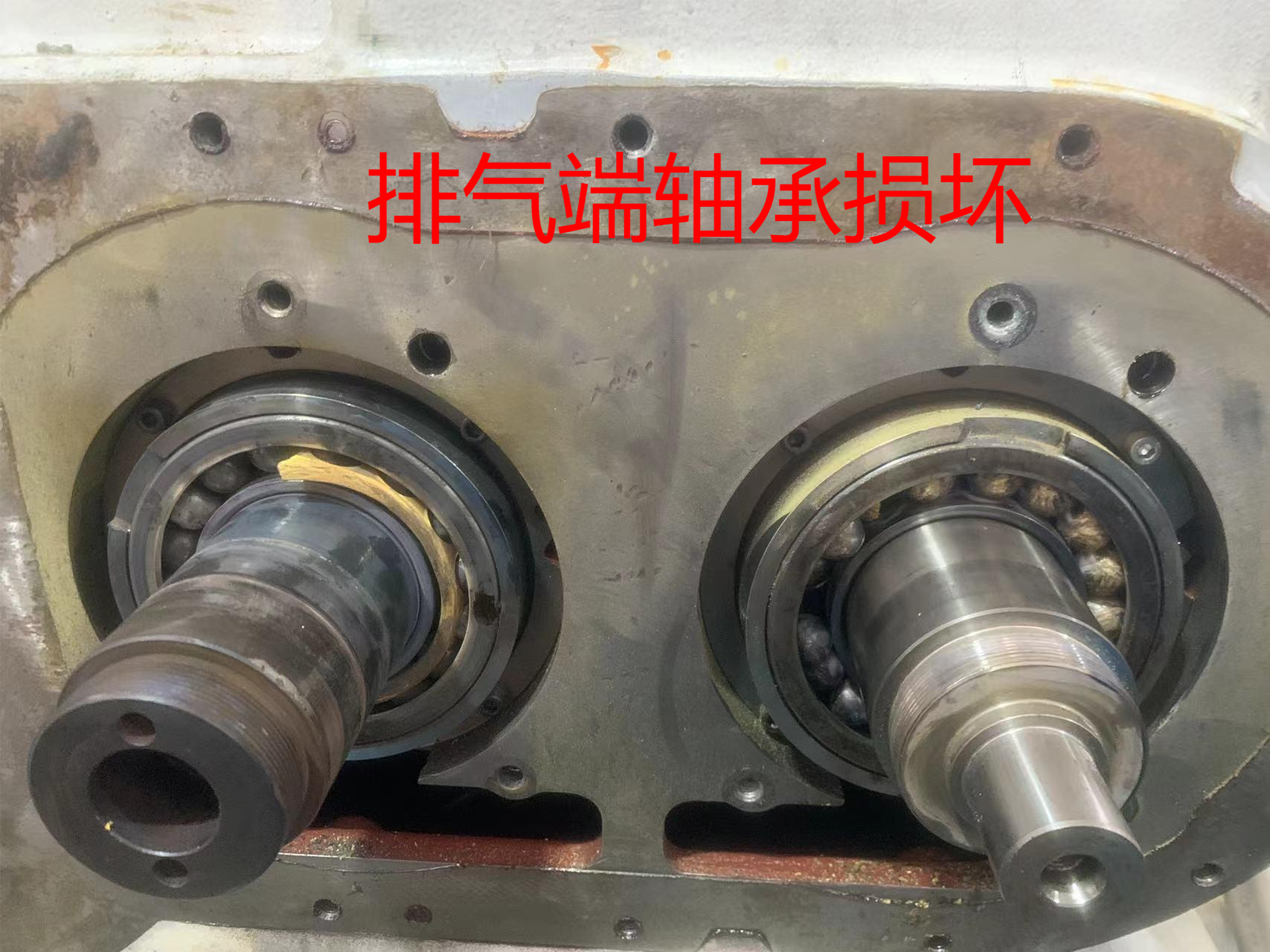
Recently, a customer sent a compressor to the site, but it malfunctioned and shut down within 50 minutes of being turned on, requiring repair. After disassembly and inspection by the maintenance department of our factory, it was found that the thrust bearings of the two rotors at the exhaust end were damaged and the balls were deformed. Judging from the damage to the bearings, it was caused by dry friction due to lack of oil. Other bearings also had no oil film. It was suspected that lubricating oil was not injected into each lubrication point, so the bearings were damaged due to oil-free operation as the root cause of the failure.
Failure cause analysis
After the equipment was disassembled, the technical department analyzed the use of the oil filter.
1. About the on-site oil inlet and outlet installation method.
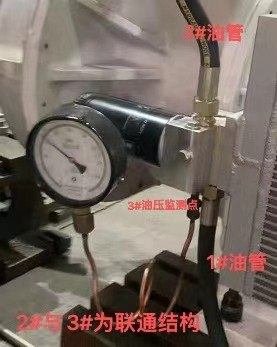
When disassembling the machine head, it was found that the installation method of the oil filter seat at the oil cooler was reversed from that during the test run in the workshop (the oil pressure connector was facing down during the test run, and the oil pressure connector was facing up during field operation). When the oil pressure connector is installed upward, the monitoring oil pressure point is the system oil pressure before the oil filter. There are hidden dangers in the installation method of oil inlet and outlet on site;
On-site installation method: 2# is the oil inlet, 1# is the oil outlet, the oil inlet and oil pressure monitoring points are in the same system
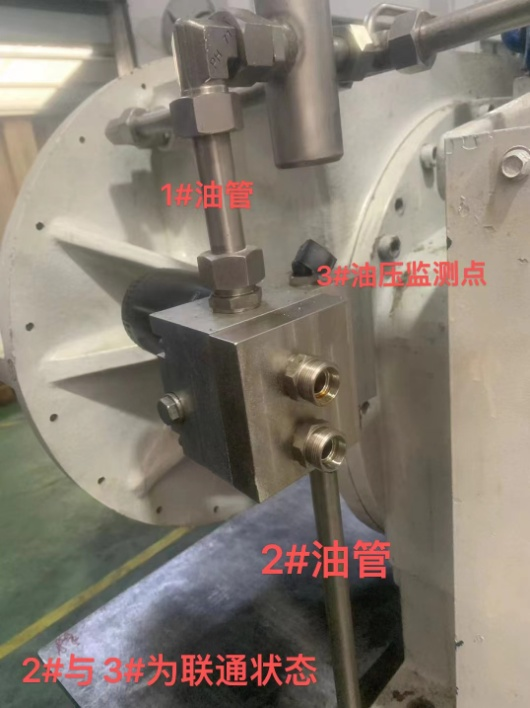
Normal installation method: 1# is the oil inlet, 2# is the oil outlet, and the oil outlet and oil pressure monitoring points are in the same system pipeline.
2. About the check valve.
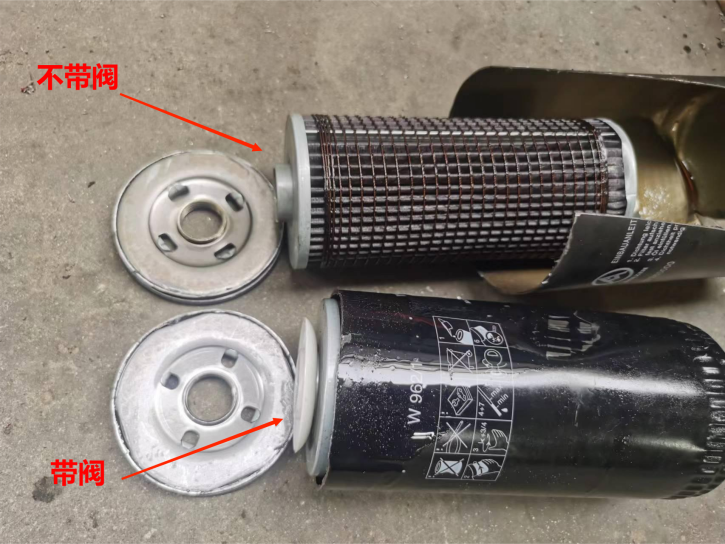
The normal situation of the oil filter is that the oil enters through the small holes around it, and the oil flows out from the main hole in the middle after being filtered by the filter element. On-site shutdown inspection found that the inlet and outlet oil pipes were installed backwards, and oil was entering through the main hole. Due to the existence of the check valve, oil could not flow out of the surrounding small holes, and a normal circulation loop could not be formed. In the end, the system could not be lubricated normally and lost oil. Therefore, in order to prevent the system from being properly lubricated due to incorrect installation of the inlet and outlet oil pipes, the following measures can be taken: First, mark the installation openings of the inlet and outlet oil pipes to prevent installation errors; second, choose an oil filter without a check valve, so that even if the inlet and outlet oil pipes are installed incorrectly, the system can still be lubricated normally.
So, what exactly does the oil filter do and what is its structure?
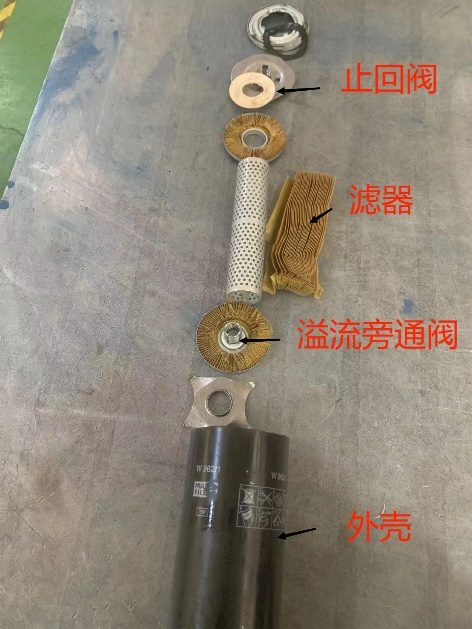
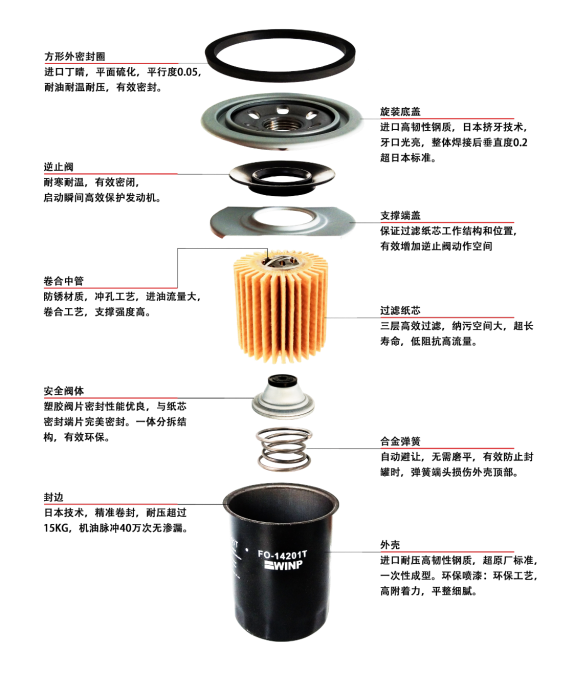
The structure of an oil filter generally includes a filter element, a housing and a seal. When the compressor is running, the lubricating oil is sucked into the housing of the oil filter and then filtered through the filter element. As the core component of the oil filter, the main function of the filter element is to block solid particles, metal shavings, sediment and other impurities in the oil to ensure the purity of the oil. The manufacturing materials of filter elements include fiber materials, metal mesh, ceramics, etc., which have different filtration precision and filtration efficiency. To ensure that the oil filter continues to work effectively, regular replacement is necessary.
In addition, the oil filter is also equipped with devices such as check valves and overflow bypass valves. The check valve prevents the backflow of internal lubricating oil when the equipment stops working, ensuring that oil pressure can be quickly established during the next operation. The overflow bypass valve ensures that lubricating oil can enter the lubrication system when the filter element is seriously contaminated. Both devices must be configured as needed.
The structure and composition of conventional oil filters currently on the market:
Finally, let’s talk about the recommended replacement cycle of the oil filter.
According to the working conditions of the compressor, it is usually recommended to replace the lubricating oil every 4000 hours. The oil filter must be replaced or cleaned every time the lubricating oil is replaced. A strap wrench or similar tool is also required for disassembly.
When installing a new oil filter, use a small amount of lubricating oil to lubricate the sealing ring and tighten the filter screws by hand. Do not change the oil filter when the lubricating oil is hot! Risk of burns!